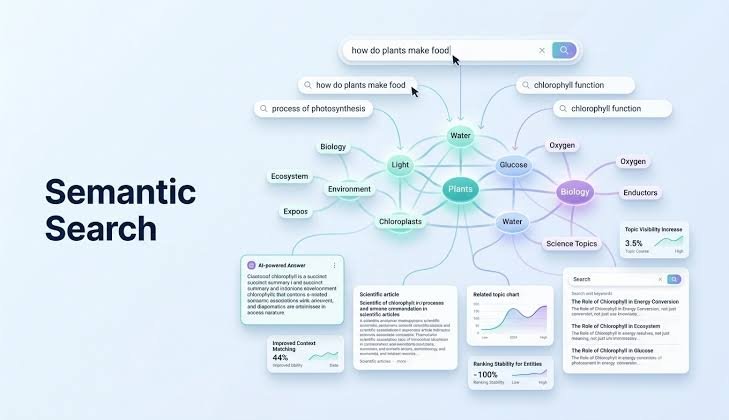
Search engines have become much smarter over the years. Instead of matching only exact keywords, they now understand user intent, context, and relationships between words. This is where Semantic Search Optimization becomes essential. Businesses, bloggers, and digital marketers who use Semantic Search Optimization can create content that satisfies both users and search engines, leading to better rankings and increased organic traffic.
Rather than stuffing pages with the same keyword repeatedly, modern SEO focuses on creating meaningful, comprehensive content. In this guide, you’ll learn how Semantic Search Optimization works, why it matters, and how you can use it to improve your website’s performance.
What Is Semantic Search Optimization?
Semantic Search Optimization is the process of creating content that helps search engines understand the meaning behind your pages instead of simply recognizing keywords.
It involves writing naturally, covering topics in depth, answering related questions, and organizing information clearly. Search engines like Google analyze context, user behavior, and content relationships to deliver the most relevant results.
By using Semantic Search Optimization, websites can attract visitors who are searching for information, products, or services with genuine intent.
Why Semantic Search Optimization Matters for Modern SEO
Today’s search engines prioritize helpful content over keyword repetition. Semantic Search Optimization allows websites to build authority while improving user experience.
Some major benefits include:
- Better keyword relevance
- Higher search engine rankings
- Increased organic traffic
- Improved user engagement
- Lower bounce rates
- Better voice search performance
As Google’s algorithms continue evolving, Semantic Search Optimization has become one of the most valuable SEO strategies available.
Understanding Search Intent
One of the biggest parts of Semantic Search Optimization is understanding what users actually want.
Search intent generally falls into four categories:
- Informational searches
- Navigational searches
- Commercial investigation
- Transactional searches
Creating content that satisfies the correct intent helps search engines trust your pages and recommend them to more users.
Related Keywords Strategy for Better Rankings
A successful Related Keywords Strategy helps search engines understand your topic more completely.
Instead of repeating one phrase many times, include naturally related terms, synonyms, and supporting concepts throughout your content.
Examples include:
- Topic clusters
- Synonyms
- Contextual phrases
- Frequently asked questions
- Industry terminology
Using a strong Related Keywords Strategy makes content richer, more useful, and easier for search engines to understand. It also improves topical coverage and strengthens your Related Keywords Strategy across multiple pages. Many successful websites rely on a consistent Related Keywords Strategy to build long-term SEO authority. When planned carefully, a Related Keywords Strategy increases visibility for hundreds of related search queries.
Entity-Based SEO and Content Relevance
Another important concept is Entity-Based SEO.
Entities are people, places, organizations, products, or concepts that search engines recognize independently of keywords.
For example, if your article discusses SEO, Google also expects related entities such as:
- Search engines
- Content marketing
- User intent
- Backlinks
- Website optimization
Using Entity-Based SEO helps search engines connect your content with broader topics. Strong Entity-Based SEO improves contextual understanding and supports higher rankings. Many SEO professionals now build content around Entity-Based SEO principles instead of focusing only on keywords. Over time, Entity-Based SEO contributes to stronger topical authority and improved visibility.
Content Relevance Signals in Semantic Search Optimization
Search engines evaluate many Content Relevance Signals before ranking a page.
These include:
- Clear headings
- Comprehensive topic coverage
- Internal linking
- Natural language
- Fresh information
- Helpful examples
- Structured formatting
Improving Content Relevance Signals tells search engines your page deserves higher visibility. Strong Content Relevance Signals also encourage readers to stay longer, increasing engagement. As your website grows, maintaining consistent Content Relevance Signals across every page strengthens your overall SEO performance. Focusing on Content Relevance Signals creates a better experience for both users and search engines.
Best Practices for Semantic Search Optimization
To achieve success with Semantic Search Optimization, follow these proven techniques:
Create Comprehensive Content
Cover every important aspect of your topic rather than writing shallow articles.
Answer Real User Questions
Include practical answers that solve readers’ problems.
Use Clear Content Structure
Organize information with H2 and H3 headings.
Write Naturally
Avoid keyword stuffing and focus on readability.
Build Internal Links
Connect related articles to help search engines understand your website structure.
Update Existing Content
Refresh articles regularly to keep information accurate and relevant.
Following these methods ensures your Semantic Search Optimization efforts remain effective over time.
Common Mistakes to Avoid
Many websites struggle because they:
- Focus only on exact-match keywords
- Ignore user intent
- Publish thin content
- Skip internal linking
- Forget content updates
- Write only for search engines
Avoiding these mistakes makes Semantic Search Optimization much more successful and sustainable.
Conclusion
Modern SEO is no longer about repeating keywords. Instead, it focuses on meaning, context, and user satisfaction. Semantic Search Optimization helps search engines understand your content while providing readers with valuable information.
By combining a strong Related Keywords Strategy, implementing Entity-Based SEO, and improving Content Relevance Signals, you can create content that ranks higher, attracts more visitors, and builds long-term authority. Investing in Semantic Search Optimization today will prepare your website for the future of search and help you stay ahead of the competition.
What is Semantic Search Optimization?
Semantic Search Optimization is the practice of creating content that helps search engines understand context, meaning, and user intent instead of relying only on exact keywords.
Why is Semantic Search Optimization important?
t improves search rankings, increases organic traffic, enhances user experience, and helps websites appear for more relevant searches.
How does semantic SEO differ from traditional SEO?
Traditional SEO focused mainly on keyword matching, while semantic SEO emphasizes context, entities, relationships, and user intent.
Can beginners implement Semantic Search Optimization?
Yes. By creating comprehensive, user-focused content with related keywords and clear structure, beginners can successfully implement semantic SEO techniques.