Introduction
Programmatic Content Creation is changing the way businesses produce content for websites, blogs, and online marketing. Instead of creating every page manually, companies use structured data, templates, and automation to generate large amounts of valuable content while maintaining quality. This approach saves time, improves consistency, and helps websites target more keywords.
Whether you run an eCommerce store, SaaS business, or digital agency, Programmatic Content Creation can help you publish content faster without sacrificing user experience. When combined with AI Content Automation, a solid Content Marketing Strategy, and Scalable Content Production, it becomes a powerful SEO solution.
What Is Programmatic Content Creation?
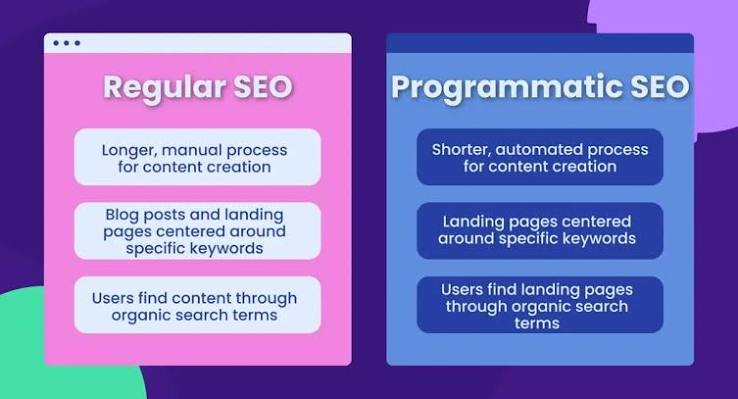
Programmatic Content Creation is the process of generating multiple web pages or articles using structured information, templates, and automation tools. Instead of writing every page from scratch, marketers build a repeatable system that creates unique content for different topics, locations, products, or services.
This method works especially well for websites that need hundreds or even thousands of optimized pages. Modern AI Content Automation tools make this process faster, while maintaining quality through human editing and optimization.
Why Businesses Are Choosing Programmatic Content Creation
Many companies are adopting Programmatic Content Creation because it allows them to grow their online presence more efficiently.
Some of the biggest benefits include:
- Faster content publishing
- Better keyword coverage
- Improved website scalability
- Consistent formatting
- Lower content production costs
- Increased organic traffic opportunities
When supported by a strong Content Marketing Strategy, businesses can reach more audiences without dramatically increasing their marketing budget.
How Programmatic Content Creation Works
1. Collect Structured Data
Start by gathering reliable information such as product details, service descriptions, location data, or industry statistics.
2. Build Content Templates
Create SEO-friendly templates that include headings, introductions, body sections, and calls to action. Templates ensure every page follows the same quality standards.
3. Use AI Content Automation
Modern AI Content Automation platforms generate drafts based on your structured data. This speeds up production while keeping the workflow organized.
4. Review and Optimize
Human editors should review every page for readability, accuracy, and SEO. This keeps your content valuable for readers and search engines.
5. Publish at Scale
Finally, publish content using a planned schedule that supports Scalable Content Production without overwhelming your website.
Best Practices for Programmatic Content Creation
Successful Programmatic Content Creation is about quality, not just quantity.
Follow these best practices:
- Write for real users first.
- Avoid duplicate content.
- Add unique examples whenever possible.
- Optimize titles and meta descriptions.
- Use internal linking.
- Keep paragraphs short.
- Update old content regularly.
- Follow a consistent Content Marketing Strategy across your website.
Combining these practices with AI Content Automation creates content that performs well in search engines and provides value to readers.
Common Mistakes to Avoid
Even the best systems can fail if they are poorly planned.
Avoid these mistakes:
- Publishing thin or repetitive content
- Ignoring user search intent
- Overusing keywords
- Skipping manual editing
- Forgetting technical SEO
- Neglecting Scalable Content Production planning
Remember that automation should support human creativity—not replace it.
Programmatic Content Creation and SEO
One of the biggest advantages of Programmatic Content Creation is its ability to improve SEO performance. Businesses can target hundreds of long-tail keywords by creating highly relevant pages based on user intent.
A successful Content Marketing Strategy ensures each page has a clear purpose, while AI Content Automation helps produce optimized drafts efficiently. Combined with Scalable Content Production, businesses can continue expanding their websites without slowing down their publishing process.
Google rewards helpful, original, and user-focused content. That’s why every automatically generated page should be reviewed and improved before publishing.
Who Should Use Programmatic Content Creation?
This approach is ideal for:
- eCommerce websites
- SaaS companies
- Digital marketing agencies
- Travel websites
- Real estate businesses
- Job portals
- Educational platforms
- Local business directories
Organizations with large amounts of structured information benefit the most from Programmatic Content Creation, especially when supported by Scalable Content Production systems and a consistent Content Marketing Strategy.
The Future of Programmatic Content Creation
As AI technology continues to improve, Programmatic Content Creation will become even more powerful. Businesses will combine intelligent automation with experienced editors to produce content that is informative, engaging, and optimized for search engines.
Future tools for AI Content Automation will better understand user intent, personalize content, and simplify workflows. Companies investing in Scalable Content Production today will be better prepared for tomorrow’s competitive digital landscape.
Conclusion
Programmatic Content Creation is no longer just an advanced marketing technique—it is becoming an essential strategy for businesses that want to scale their online presence. By combining structured workflows, AI Content Automation, an effective Content Marketing Strategy, and Scalable Content Production, organizations can create high-quality content faster while maintaining SEO best practices.
The key to success is balancing automation with human expertise. When done correctly, this approach helps improve search rankings, attract more visitors, and deliver long-term value for both businesses and their audiences.