Introduction
In today’s fast-paced digital world, businesses are constantly looking for ways to save time and improve efficiency. One of the most effective solutions is AI Workflow Automation. By combining artificial intelligence with automated processes, companies can reduce repetitive work, increase productivity, and focus on strategic goals.
Whether you run a small business or a large organization, can transform daily operations. From managing customer inquiries to processing data, automated systems help teams work smarter and achieve better results.
What Is AI Workflow Automation?
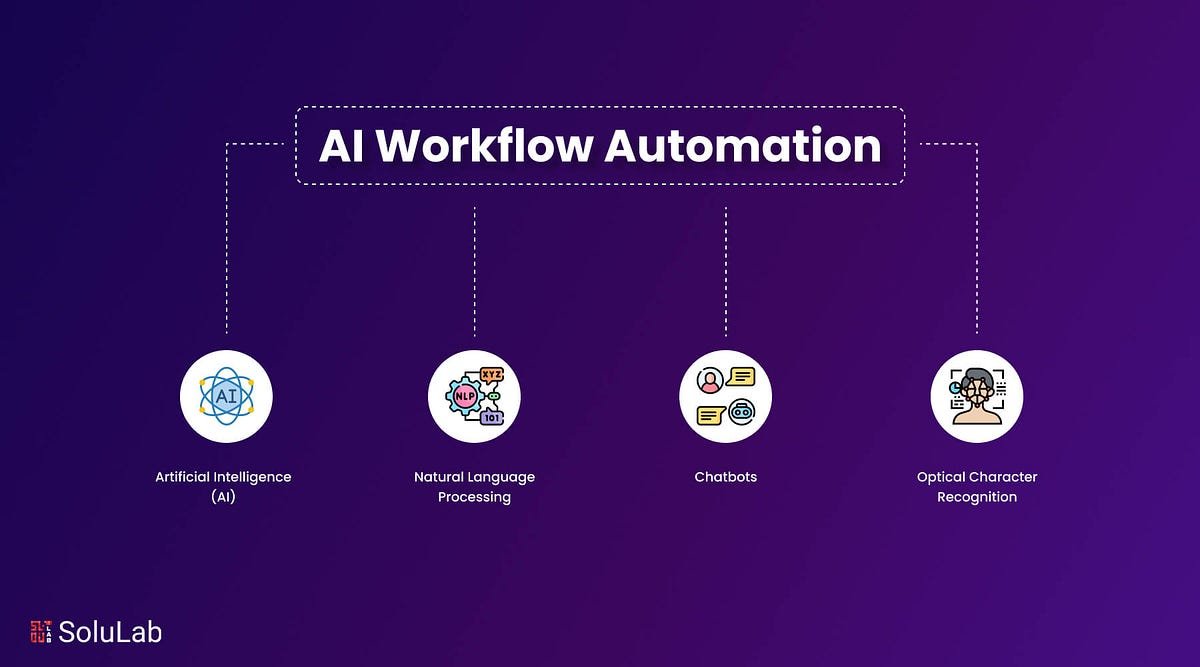
AI Workflow Automation refers to the use of artificial intelligence technologies to automate business processes and workflows. Unlike traditional automation, AI-powered systems can analyze data, learn patterns, and make intelligent decisions.
This approach allows organizations to streamline operations, reduce human errors, and improve overall performance. As businesses continue to embrace digital transformation, AI Workflow Automation is becoming an essential tool for success.
Benefits of AI Workflow Automation
Improved Business Process Automation
One of the biggest advantages of AI Workflow Automation is enhanced Business Process Automation. Companies can automate repetitive tasks such as:
- Data entry
- Invoice processing
- Customer support
- Document management
- Appointment scheduling
By implementing Business Process Automation, organizations can save valuable time and allocate resources more effectively.
Increased Productivity Enhancement
Another major benefit is Productivity Enhancement. Employees often spend hours on repetitive tasks that could easily be automated.
With AI-powered tools, businesses experience significant Productivity Enhancement through:
- Faster task completion
- Better resource management
- Reduced workload
- Improved employee satisfaction
As a result, teams can focus on innovation and growth rather than routine administrative work.
Smarter Intelligent Workflow Management
Modern businesses require efficient Intelligent Workflow Management to stay competitive. AI systems can monitor workflows, identify bottlenecks, and recommend improvements.
Through Intelligent Workflow Management, organizations gain:
- Better visibility into processes
- Real-time decision-making
- Faster approvals
- Improved collaboration
This leads to smoother operations and better customer experiences.
How AI Workflow Automation Works
Data Collection and Analysis
The first step in AI Workflow Automation is gathering information from various sources. AI algorithms analyze this data to identify patterns and opportunities for automation.
Automated Decision-Making
Once the system understands workflow patterns, it can make intelligent decisions automatically. This reduces the need for constant human intervention.
Continuous Learning
Unlike traditional software, AI Workflow Automation systems continuously improve over time. They learn from new data and adapt to changing business requirements.
This ability makes AI Workflow Automation more effective and valuable as organizations grow.
Industries Using AI Workflow Automation
Many industries are already benefiting from AI Workflow Automation.
Healthcare
Healthcare providers use automation to manage patient records, appointments, and billing processes.
Finance
Banks and financial institutions rely on Business Process Automation to process transactions, detect fraud, and improve compliance.
E-commerce
Online stores use Productivity Enhancement strategies powered by AI to manage inventory, customer support, and order fulfillment.
Human Resources
HR departments use Intelligent Workflow Management to automate recruitment, onboarding, and employee management processes.
Best Practices for Successful Implementation
To maximize the benefits of AI Workflow Automation, consider the following best practices:
Identify Repetitive Tasks
Start by finding tasks that consume significant time and resources.
Choose the Right Tools
Select automation solutions that align with your business goals and requirements.
Train Employees
Provide proper training so employees can work effectively with automated systems.
Monitor Performance
Regularly evaluate workflow performance and make adjustments when necessary.
Following these steps helps businesses achieve stronger Productivity Enhancement and better operational results.
Challenges to Consider
Although AI Workflow Automation offers many advantages, businesses may face some challenges:
- Initial implementation costs
- Employee resistance to change
- Data security concerns
- Integration with existing systems
However, proper planning and strategy can overcome these obstacles and ensure long-term success.
The Future of AI Workflow Automation
The future of AI Workflow Automation looks incredibly promising. As artificial intelligence technology advances, automation systems will become even smarter and more capable.
Businesses will increasingly rely on Business Process Automation to handle complex operations while benefiting from greater Intelligent Workflow Management and continuous Productivity Enhancement.
Organizations that adopt these technologies early will gain a significant competitive advantage in the digital marketplace.
Conclusion
AI Workflow Automation is revolutionizing the way businesses operate. By reducing manual work, improving efficiency, and enabling smarter decision-making, it helps organizations achieve sustainable growth.
From Business Process Automation to Productivity Enhancement and Intelligent Workflow Management, the benefits are clear. Companies that invest in AI Workflow Automation today will be better prepared for tomorrow’s challenges and opportunities.
As technology continues to evolve, embracing automation is no longer an option—it is a necessity for businesses that want to thrive in a competitive environment.
How does AI Workflow Automation improve productivity?
It automates repetitive processes, allowing employees to focus on higher-value work and strategic activities.