Introduction
If you want your website to rank higher on search engines, Content Gap Analysis is one of the smartest strategies you can use. It helps you discover topics, keywords, and valuable information your competitors cover but your website does not. By identifying these missing opportunities, you can create content that attracts more visitors and improves your search engine rankings.
A well-planned Content Gap Analysis also helps you understand your audience better. Instead of guessing what to write, you can focus on content people are actively searching for. This makes your SEO efforts more effective and delivers better long-term results.
What Is Content Gap Analysis?
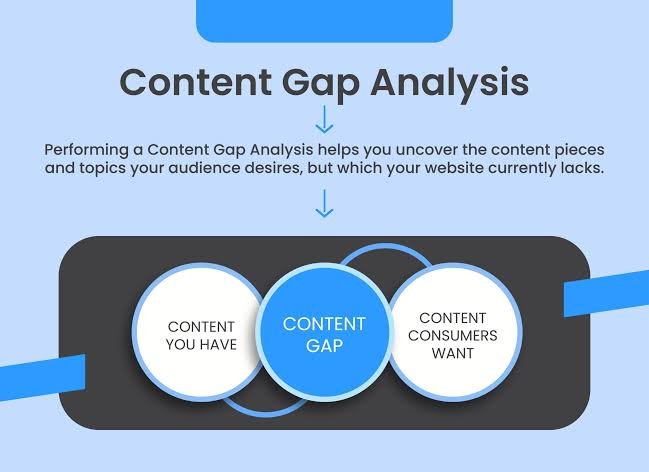
Content Gap Analysis is the process of comparing your existing content with your competitors’ content to identify missing topics, keywords, or pages. These “gaps” represent opportunities to create valuable content that can help your website rank for additional search terms.
When done correctly, Content Gap Analysis ensures your content strategy stays competitive and relevant in your industry.
Why Content Gap Analysis Matters
Businesses that regularly perform Content Gap Analysis often experience:
- Better search engine rankings
- Increased organic traffic
- More targeted website visitors
- Higher engagement rates
- Improved content planning
- Stronger authority in their niche
Instead of creating random articles, you publish content that solves real user problems.
Benefits of Keyword Gap Research
One of the biggest advantages of Keyword Gap Research is finding keywords your competitors already rank for while your website doesn’t.
Keyword Gap Research helps you:
- Discover high-value keywords
- Find low-competition opportunities
- Improve existing pages
- Create content that matches search intent
- Increase keyword coverage across your website
Regular Keyword Gap Research also prevents you from missing valuable traffic opportunities as search trends continue to change.
How to Perform Content Gap Analysis
1. Audit Your Existing Content
Start by reviewing your current articles, landing pages, and blog posts. Identify topics you’ve already covered and areas where information is outdated.
This first step makes your Content Gap Analysis more organized and accurate.
2. Analyze Competitor Content
Look at the websites that rank on the first page of Google for your target keywords.
Pay attention to:
- Article topics
- Keyword usage
- Content depth
- Internal linking
- User experience
This competitor review provides valuable insights for effective Competitor Content Analysis.
3. Find Missing Keywords
After reviewing competitors, compare their keyword rankings with yours.
Keyword Gap Research allows you to identify:
- Missing primary keywords
- Long-tail keyword opportunities
- Question-based searches
- Related search terms
These keywords can become ideas for future content.
4. Evaluate Search Intent
Every keyword serves a purpose. Some users want information, while others are ready to buy.
Strong Search Intent Optimization ensures your content matches exactly what users expect to find.
For example:
- Informational searches need detailed guides.
- Commercial searches need comparisons.
- Transactional searches need product pages.
When your content satisfies user intent, rankings often improve.
Best Tools for Content Gap Analysis
Several SEO tools make Content Gap Analysis easier and more accurate.
Popular options include:
- Google Search Console
- Ahrefs
- SEMrush
- Moz
- Ubersuggest
These platforms simplify Keyword Gap Research by comparing multiple websites and highlighting keyword opportunities.
They also support Competitor Content Analysis, allowing you to identify pages that generate the most traffic for competing websites.
Tips for Better Search Intent Optimization
Creating great content isn’t only about keywords.
Successful Search Intent Optimization focuses on helping readers solve their problems.
Follow these best practices:
- Write clear and simple language.
- Answer common questions.
- Include examples where possible.
- Use descriptive headings.
- Add helpful images and graphics.
- Update content regularly.
Consistent Search Intent Optimization improves user experience while supporting stronger SEO performance.
Common Mistakes to Avoid
Many website owners perform Content Gap Analysis, but they still miss results because of common mistakes.
Avoid:
- Copying competitor content
- Ignoring search intent
- Targeting too many keywords in one page
- Publishing thin content
- Forgetting internal links
- Never updating older articles
Instead, use Competitor Content Analysis to learn from successful websites while creating original and valuable content.
Creating an Effective Content Strategy
After completing Content Gap Analysis, organize your findings into a content calendar.
Prioritize:
- High-volume keywords
- Low-competition opportunities
- Evergreen topics
- Customer questions
- Seasonal content
Combining Keyword Gap Research, Competitor Content Analysis, and Search Intent Optimization creates a complete SEO strategy that continues delivering results over time.
Conclusion
Content Gap Analysis is one of the most valuable SEO techniques for growing your website. Instead of publishing random articles, it helps you discover missing opportunities that can increase rankings, traffic, and authority.
By combining Content Gap Analysis with Keyword Gap Research, Competitor Content Analysis, and Search Intent Optimization, you can build content that meets user needs and performs well in search engines. Regularly reviewing your content and updating your strategy ensures your website stays competitive as search trends evolve.